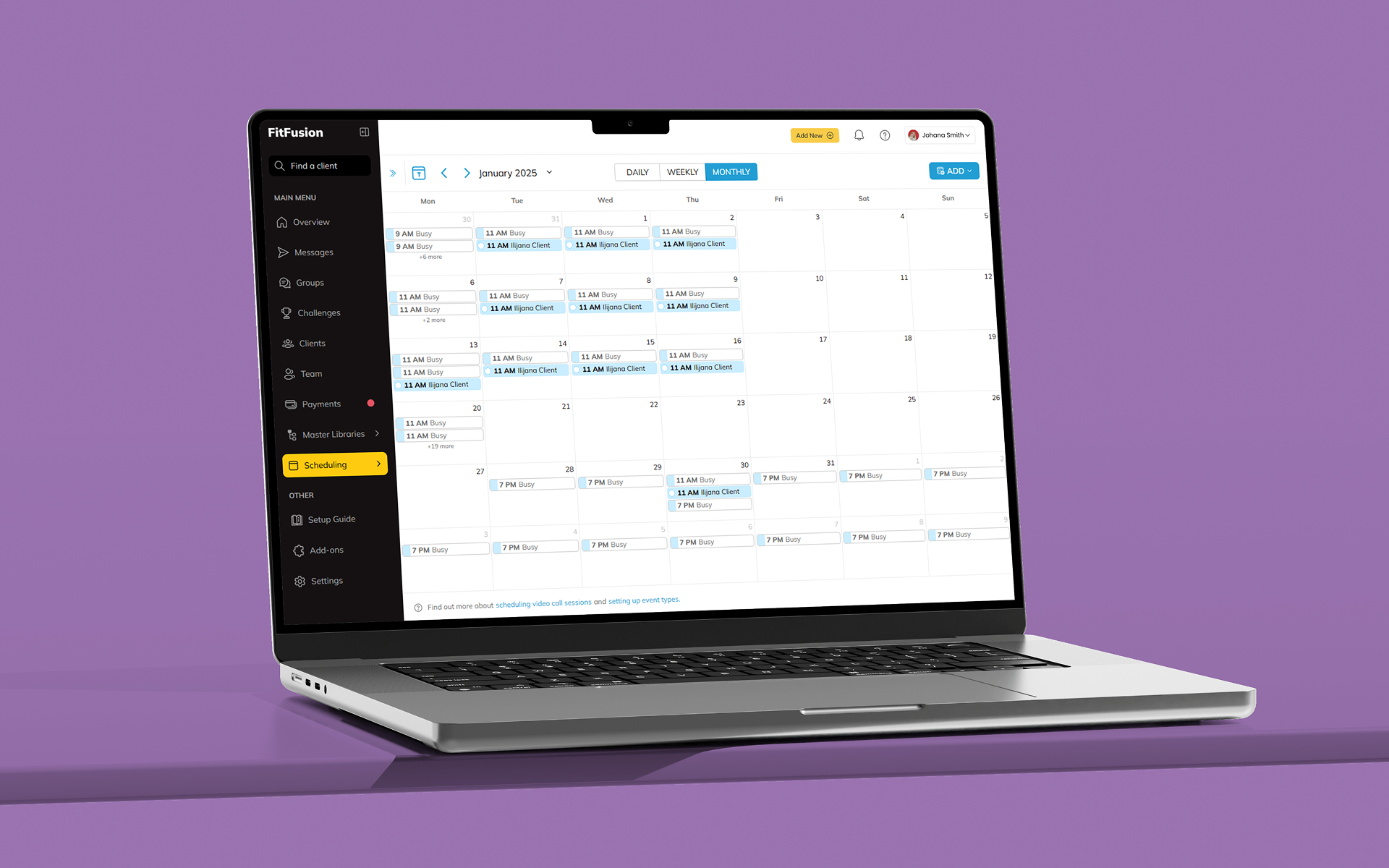
Calendar Sync
The project was born out of the research I had been conducting on the platform. I pushed for its inclusion in product roadmap, as a result of data-supported research.
This project stands out as a key example of how research, design initiative and team engagement can come together to address real user pain points, bridge the gap, influence growth and boost the adoption of already existing features.
How it all started
The project was born out of the improvement research I had been conducting on the platform for some time.
My focus was on user satisfaction, identifying pain points, and gathering insights into areas that needed improvement.
After analyzing constant user complaints, market and competitor offerings, I proposed that we should prioritize calendar syncing as a key feature.
It was clear that many competitors already offered similar solutions, and the integration of personal calendar sync was something our users craved.
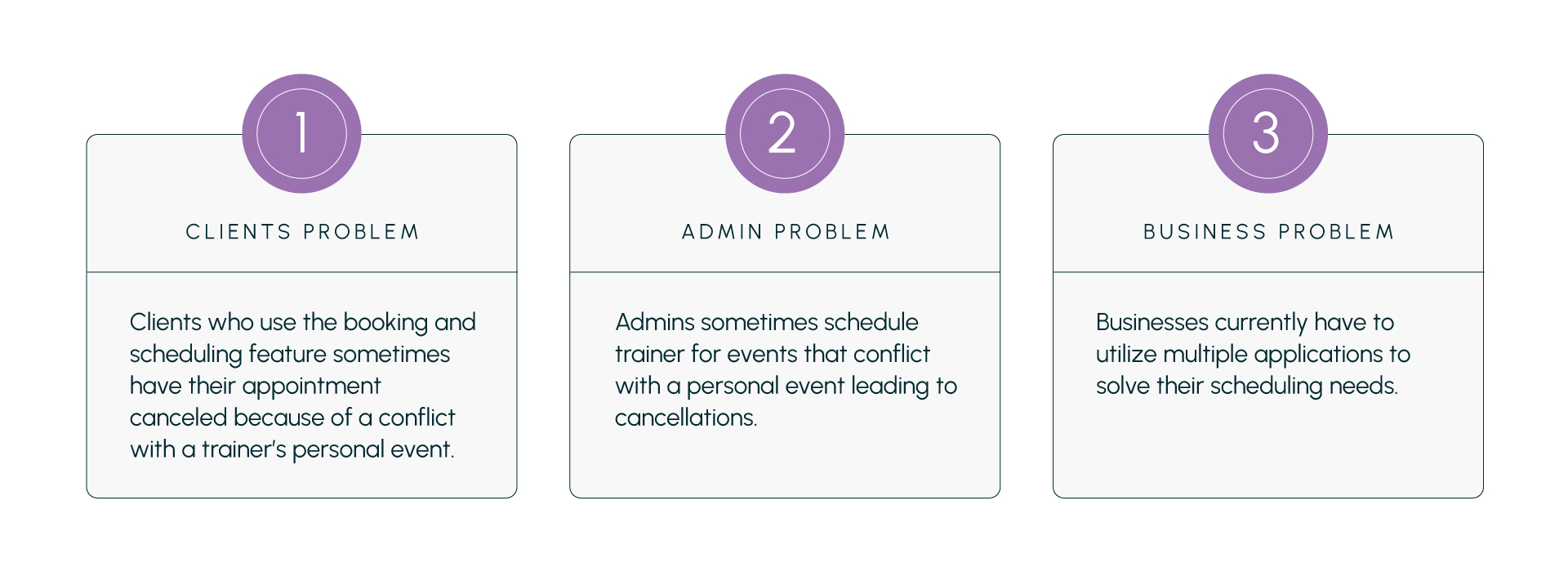
Problems that I have identified
Solution - 2-way calendar sync
A key feature that could reduce scheduling conflicts and simplify the booking process.
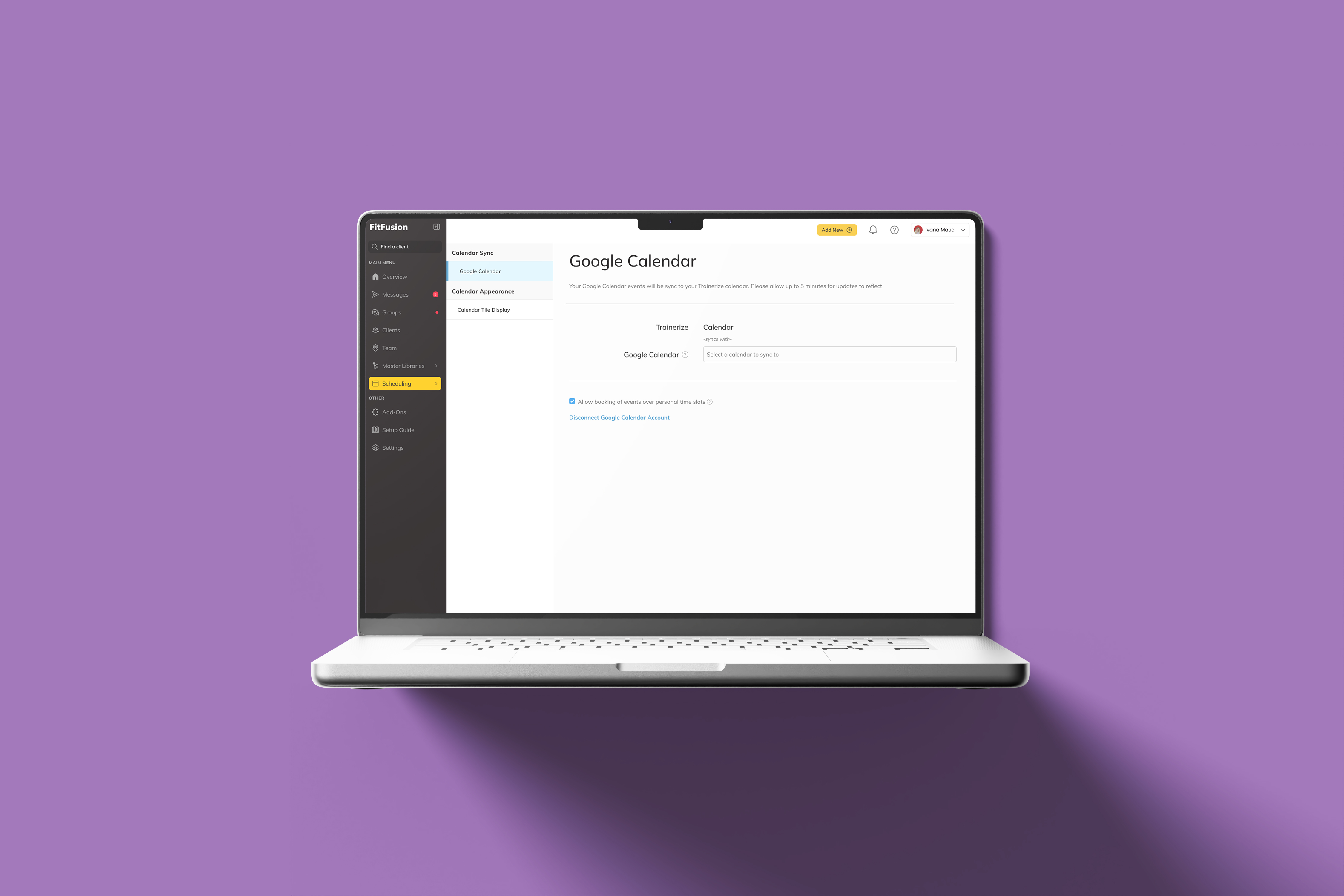
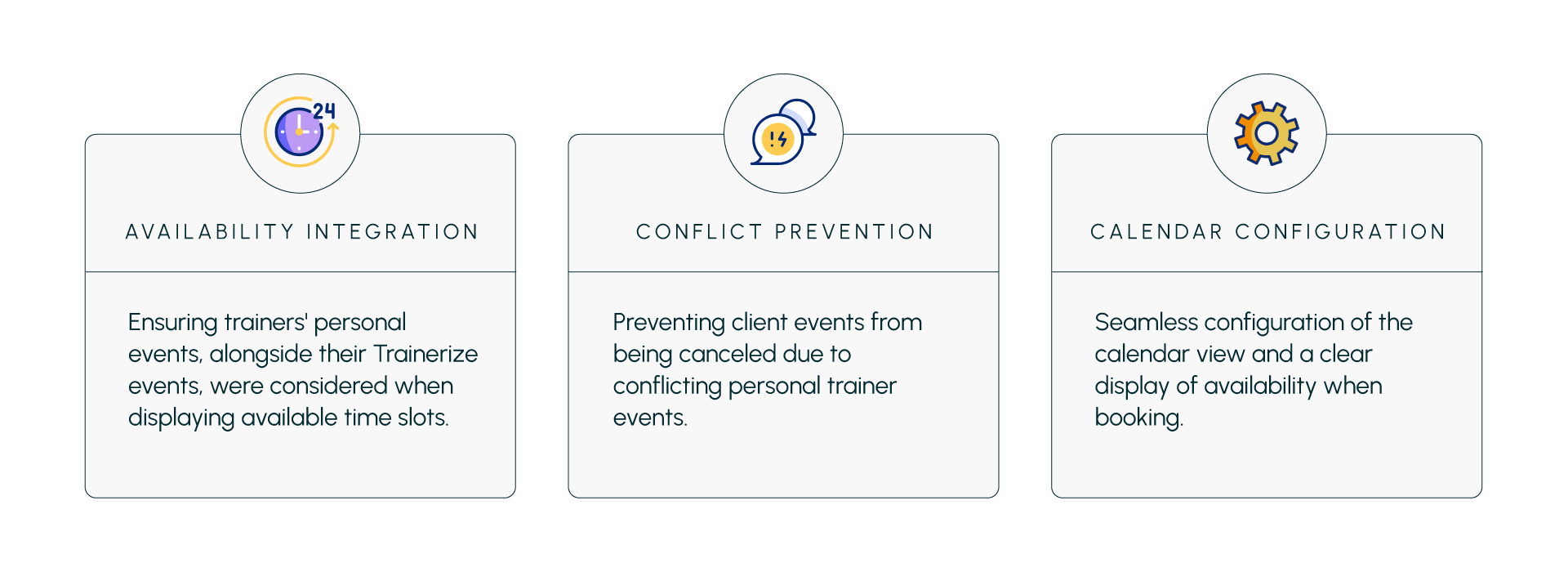
A feature that allows coaches to sync their personal calendars with Trainerize. This would enable the system to take personal events into account when determining availability for client bookings. By ensuring the trainer’s true availability was reflected, the chances of scheduling conflicts and cancellations were drastically reduced.
Work process, supported by data-driven insights
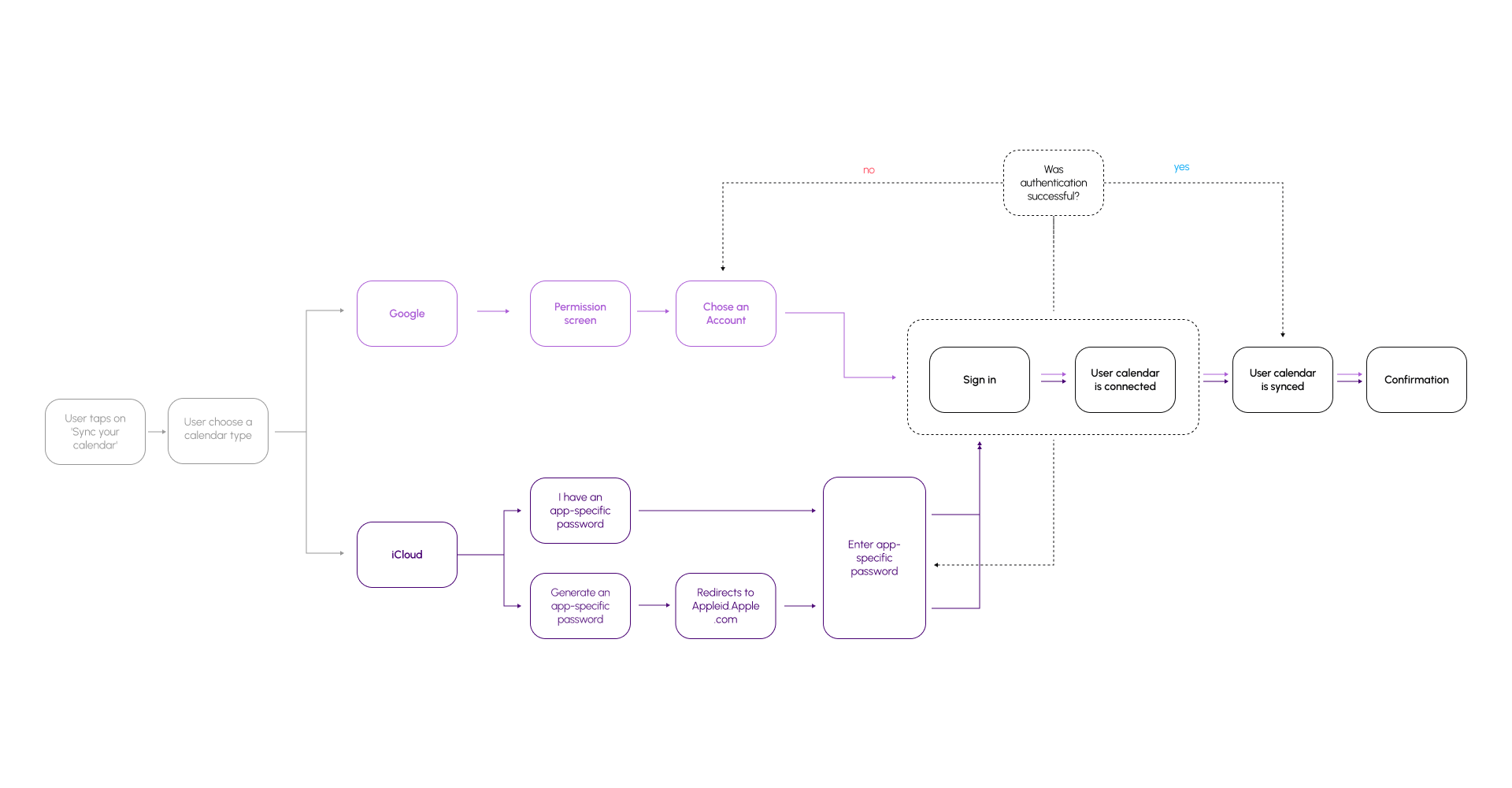
Armed with reserch, I began sketching wireframes and exploring different UX flows, map user journey, plan for integrations and different entering points. Initial versions of the feature focused on Google Calendar sync, which was later expanded to include iCloud support for both web and mobile users.
We realized the scope was larger for development, so we focused on delivering a Minimum Viable Product (MVP) first—Google Calendar sync. This decision allowed us to prioritize and go over again faster, while laying the groundwork for future improvements.
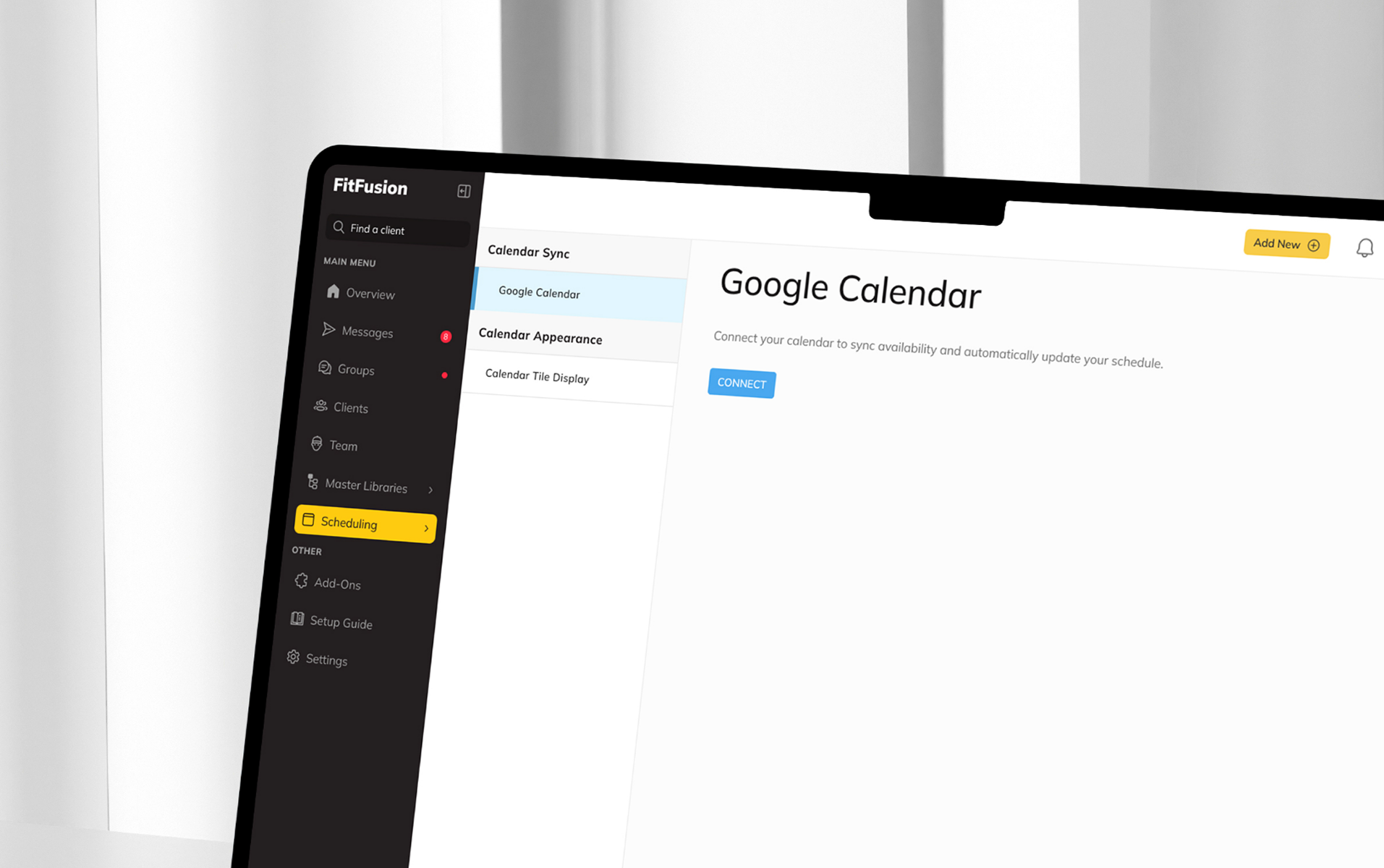
Release Included
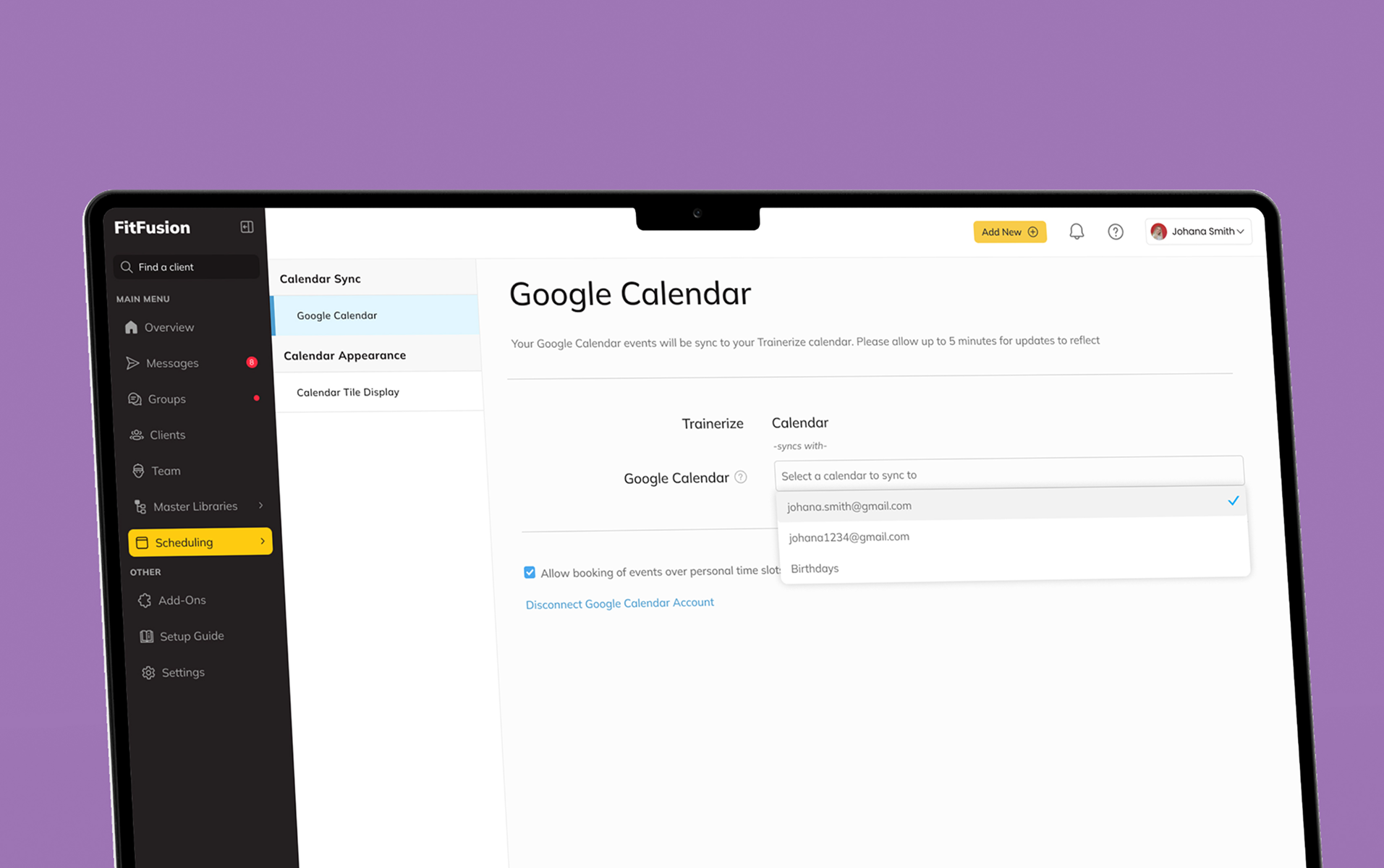
Effort and challenges
This project involved significant backend work and complex product logic. Because the logic affected other parts of the application, such as availability and booking functionality, careful consideration had to be given to how changes would ripple through the system.
"Despite these challenges, the team’s collaboration and focus on breaking the project into manageable units led to a successful MVP launch."
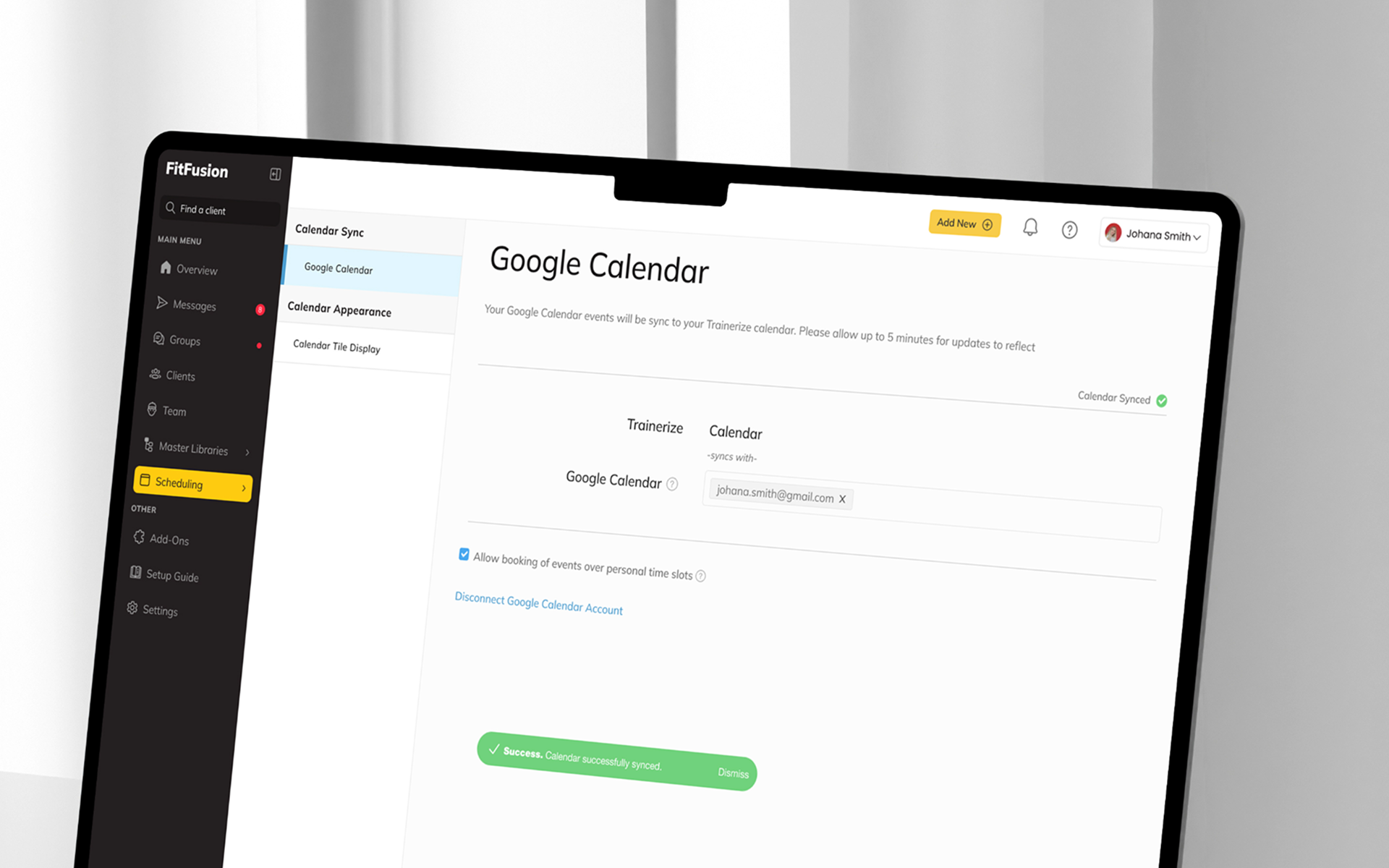
Results and contribution to business growth
Although the feature is still in its early stages, the results have been promising:
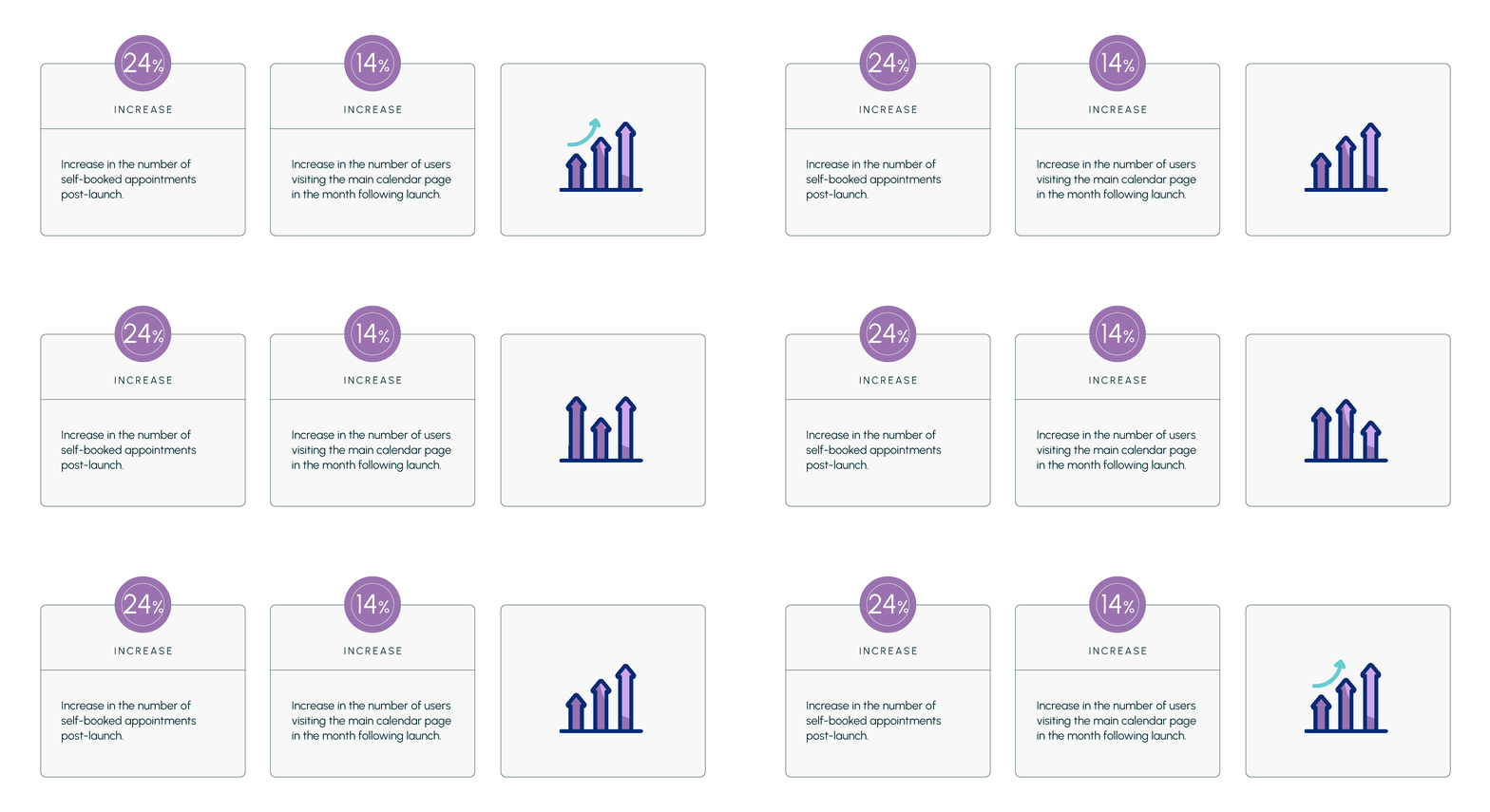
These early successes were a clear indication that the new functionality not only solved the existing issues but also boosted adoption of existing features, making the platform even more valuable to coaches and clients.
Reflection
This project stands out as a key example of how design, research, user feedback and team engagement can come together to address real user pain points. By enhancing syncing functionality, we not only reduced scheduling conflicts but also empowered trainers to manage their time more efficiently, ultimately improving customer satisfaction and business outcomes enabling users to have this functionality on the platform and not use third party solutions.